Advertisements








Advertisements
Media
Overwatch 2 Review

Wesley Thorne
Overview and Game Dynamics
Overwatch 2 is a dynamic team-based shooter that has evolved significantly since its predecessor’s release. As an experienced gamer, I appreciate how the game continually brings fresh twists to its gameplay with a refined roster of heroes and diverse objectives. This title is not just a mere update from the original but a complete reimagining that introduces a variety of new modes, deeper customization options, and an improved competitive structure. Every match runs like a well-oiled machine, where strategic teamwork and the unique abilities of each character play a central role. The new mission-based experiences offer a blend of individual skill and synchronized teamwork, making every round an unpredictable challenge.
Gameplay Mechanics and Flow
The pace of Overwatch 2 is relentless yet meticulously balanced. Whether you decide to play swiftly aggressive roles or take a more methodical approach, the game caters to a variety of styles and approaches. The revised hero progression system allows players to earn specific abilities as they progress, making each game feel personal and satisfying. Unlike its predecessor, Overwatch 2 emphasizes role synergy so that each character’s strengths can be maximized within an organized team structure.
When you decide to play, the controls and sensory responses feel intuitive and well-calibrated. The process of learning new abilities and adapting to evolving situations is fluid, which is a welcome change from the sometimes repetitive nature of earlier titles. You have the freedom to customize your play style, whether you prefer to rely on precision or to create distraction and chaos, making sure every session feels fresh and engaging.
Visuals, Design, and Atmosphere
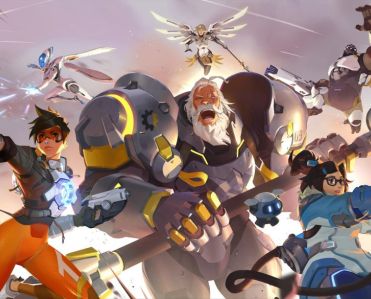
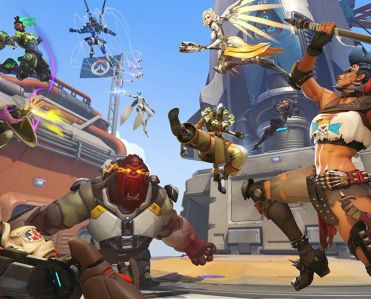
From a visual standpoint, Overwatch 2 elevates its predecessor with a brighter, more refined art style. The characters and environments are rendered in high detail, contributing to a vivid and immersive atmosphere that feels both futuristic and inviting. The meticulous attention to detail is particularly evident when you zoom in on each hero’s distinctive design and weaponry, ensuring each element of the game remains visually appealing even during intense matches.
The design choices extend beyond mere aesthetics; they serve functional purposes as well. For instance, clarity in enemy outlines, contrasting backgrounds, and visual cues during gameplay help you react faster during high-pressure moments. All these elements together create an atmosphere that is not only engaging but also highly competitive.
Sound and Audio Experience
The sound design in Overwatch 2 deserves special mention. The audio cues, ambient background tracks, and voice dialogues are crafted to enhance the overall sensory experience. When you download the latest patches or mods that tweak the audio for personalization, the change is instantly noticeable. Every explosion, ability activation, and character exchange is delivered with crisp sound effects that keep your adrenaline pumping throughout your sessions.
In addition, the voice acting brings an emotional depth to various characters. Whether it’s a concise call-out during a heated match or a humorous remark in quieter team moments, the sound design contributes significantly to the overall immersive experience. This layered audio complexity ensures that the game remains engaging even during longer, marathon play sessions.
Multiplayer and Community Interaction
One of the main draws of Overwatch 2 is its vibrant multiplayer community. The game is built around the principle of teamwork, emphasizing the importance of cooperation over individual prowess. In this game, every match is an opportunity to learn and improve not just your strategy but also your communication skills. The emphasis on roles means that every player contributes to the broader strategy that defines the entire match's outcome.
The matchmaking system, revamped to accommodate the multiple playstyles and customized heroes, is efficient and appears to be well-balanced. Overwatch 2’s competitive mode is especially appealing to serious gamers who want a challenge. For those looking for a less intense experience, there are also casual modes and seasonal events that allow you to play casually, experiment with different heroes, and even try out some of the less conventional cheats and mods available through community channels.
Hero Roster and Customization
The impressive roster of heroes is one of Overwatch 2’s greatest strengths. Each character offers a unique set of skills that can turn the tide of battle. The ability to customize hero loadouts means that your gameplay style can significantly evolve from session to session. Whether you choose to embrace full-on offensive maneuvers or play a supportive role, the customizability ensures that no two matches are exactly alike.
In addition to the character-specific abilities, the option to equip certain mods further enhances gameplay. These mods can adjust various aspects of a hero’s performance and open up different tactical avenues. For players who enjoy exploring beyond the standard gameplay, community-supported mods provide additional ways to tailor the experience. Just keep in mind that while some mods enhance the game’s fun factor, the use of unapproved cheats and mods is generally discouraged in competitive settings.
Technical Performance and Stability
Overwatch 2 delivers robust performance across various devices, and it is available on multiple platforms. Whether you opt to install the game on your PC, console, or even explore mobile cloud streaming options, the experience remains smooth and engaging. Developers have clearly invested in optimizing the game, ensuring a stable connection during online play even during periods of intense activity.
For those interested in experimenting with different ways to play, there are community setups that allow Overwatch 2 to be played across many different platforms. Although some of these platforms might require specific system requirements or additional cloud/emulator support, the game’s developers have tried to streamline the experience as much as possible. This implies that game performance is consistent whether you download the game on a high-end PC or install it on a lower-spec machine. Every enthusiast can find a way to engage with Overwatch 2 regardless of their hardware configuration.
Storyline and World Building
While Overwatch 2 is primarily celebrated for its multiplayer setup, it also introduces an immersive narrative that deepens the lore surrounding its characters. This narrative expansion is designed to build a richer world in which every hero has a backstory, contributing to a cohesive universe that enhances your overall engagement with the game. For players who appreciate a robust storyline as much as competitive gameplay, this addition is both welcome and intriguing.
What stands out is not just the story itself, but the seamless integration of narrative elements into the gameplay. There are moments during matches that echo character development and hint at broader arcs—a clever way to ensure that storytelling does not disrupt but rather complements action. Whether you are playing in individual matches or experiencing the main campaign, the flow between gameplay and narrative feels organic and expertly crafted.
Innovative Features and Social Integration
Overwatch 2 is not without its innovative features. One notable advancement is the introduction of a shared progression system that meshes well with in-game events and seasonal content. This system encourages players to download content updates, play new events, and engage with a series of community-driven challenges that foster a deeper connection among players. Moreover, the ease with which you can install additional content, from character skins to refined abilities, is a testament to the developers’ commitment to continuously evolving the game.
The social integration features also deserve praise. Game lobbies are now equipped to observe in-game statistics, provide real-time strategy tips, and support voice communications that are both reliable and crisp. Such improvements ensure that every multiplayer session is not only competitive but also socially enriching. The combination of competitive integrity and social connectivity is essential to maintain a thriving online community where every veteran and newcomer feels part of the collective experience.
Content Updates and Community Engagement
One of the continual sources of enthusiasm for Overwatch 2 is its consistent schedule of content updates. Each patch brings not only armaments adjustments and gameplay tweaks but also new heroes, maps, and seasonal events that resonate well with the community. It is refreshing for long-term players to see developers actively engaging with the community by addressing feedback and releasing innovative challenges. This constant engagement creates a loop of revitalization that keeps the experience ever-evolving and prevents stagnation.
The community forums are vibrant spaces where players exchange ideas, share their experiences, and even discuss the latest mods available. While some users may try to explore unconventional avenues with cheats or mods to tweak their gameplay, a majority stick to the intended design of the game, which attests to the loyalty and respect the community holds for the developers’ vision. As an experienced gamer, witnessing the evolution and the community’s proactive dialogue offers insights into a game that doesn’t just aim for commercial success but for lasting impact on its player base.
Longevity and Replay Value
Replay value in Overwatch 2 is not simply an added bonus; it’s a foundational element of the design. With a continuously rotating selection of maps, heroes, and event-based challenges, every session offers a different tactical puzzle to solve. The fresh content combined with the varied game modes and customizable hero attributes ensures that no two matches feel identical. From quick casual skirmishes to competitive tournaments, the game always feels pronto-for-action.
Furthermore, the potential to experiment with mods and even adjust certain gameplay parameters through community-created setups adds another layer of depth to the overall experience. This approach encourages not only standard play but also creative exploration, ensuring that the journey remains exciting even after hundreds of hours of play. The game’s structure guarantees that exploration is rewarded—whether it’s in discovering new team strategies or the subtle intricacies hidden within the game’s mechanics.
Final Thoughts
Overwatch 2 represents a seamless blend of classic teamwork shooter mechanics and modern innovations in online gameplay. It manages to retain the spirit of the original while reaching out to new audiences with its renewed focus on immersive storytelling, balanced competitive modes, and comprehensive community features. The refined gameplay, stellar audio-visual presentation, and ambitious narrative depth make this title a must-experience for anyone serious about the genre.
As an experienced gamer, I can confidently say that Overwatch 2 is an exemplary model of how iterative improvements and community feedback can lead to a refined product that stands the test of time. The game continuously introduces fresh content, is adaptable across multiple platforms, and is optimized to ensure that every moment spent playing is both challenging and rewarding. Whether you download it on your console or choose to install it on your PC, the game fits well regardless of your hardware limits, even allowing for strategic sessions in environments where internet access might be limited, as it occasionally supports unblocked play in restricted networks.
Overwatch 2 not only revitalizes the multiplayer shooter genre with its strategic depth and innovative gameplay mechanics but also inspires the community to explore new ways to enhance their experience using authorized mods and tweaks. In a market overflowing with fast-paced shooters, this title carves out its niche by emphasizing community, creativity, and continuous improvement. Its balanced ecosystem keeps newcomers engaged while providing seasoned gamers plenty of avenues to refine and exhibit their gameplay prowess.
Looking Ahead
The road ahead for Overwatch 2 seems promising. With planned expansions, new heroes on the horizon, and an ever-active community, the game is poised to remain a prominent force in the multiplayer shooter landscape for years to come. The developers are keenly aware of the need to evolve with emerging gaming trends, ensuring that players have plenty to look forward to—ranging from the introduction of fresh game modes to support for additional platforms that allow you to play on the go.
Developers continue to address community concerns, working to enhance the stability and balance of competitive play. Whether you’re a longtime fan eager to explore every nuance of the game or a newcomer curious about what a modern team shooter can offer, Overwatch 2 is designed to cater to your ambitions. It strikes a fine balance between accessible immediate fun and layered complexity that justifies long-term investment into mastering its myriad strategic elements.
Technological Advancements and Community Integration
An aspect worth highlighting is the attention given to cross-platform compatibility. The game is carefully designed to allow players to seamlessly connect across various platforms. This means that regardless of whether you decide to download the game for a console experience or install it on your PC, there is a coherent system that ensures you won’t miss out on crucial features or community-driven events. With thoughtful integration of mods and an overall open-minded approach towards community feedback, the game environment continuously morphs and adapts to players’ needs.
The ability to experiment using authorized cheats and mods (where applicable) provides a sandbox-like aspect to gameplay. Such features encourage innovation and help players craft unique strategies, thereby enhancing the competitive environment. Despite this flexibility, the game maintains tight control over what is acceptable in competitive arenas, ensuring that fairness and balanced gameplay remain paramount for everyone involved.
Conclusion
In conclusion, Overwatch 2 is a triumph of modern game design that merges high-octane team-based action with thoughtful innovation and robust community engagement. The game challenges you to modify your strategies continuously, adapt to emerging game trends, and collaborate with teammates in strategic, rapidly evolving scenarios. With its refined mechanics and a clear vision for the future, Overwatch 2 stands as a key title for anyone who deeply appreciates the art and science of video gaming.
Whether you decide to download the game via official digital storefronts, choose to install it through your preferred console network, or debate the potential benefits of authorized mods, the experience consistently delivers excitement and intellectual challenge. The game’s forward-thinking approach reassures longtime fans and inspires new players by constantly presenting avenues to engage, experiment, and excel in every match. Ultimately, Overwatch 2 is more than a game—it’s a testament to how community-driven development and innovative gameplay can create a lasting digital legacy.
How to download Overwatch 2
Overwatch 2 is accessible on a variety of platforms. You can download this engaging shooter directly from online stores, allowing you even to play for free through a trial mode with additional paid options. Whether you choose to install it on PC, console, or explore alternative cloud-based services for platforms not officially supported, the game provides clear guidelines. The installation process is straightforward; simply visit the official website or your preferred digital storefront, follow the installation prompts, and start playing. Minimum system requirements for PC include a mid-range processor and graphics card. Mac users or Android gamers using emulator setups should refer to the specific instructions provided by the platform. While authorized mods are available to enhance your experience, using cheats in competitive settings is generally discouraged. For players in restricted environments like schools or workplaces, the game can also be played unblocked through approved channels, ensuring you get a consistent gaming experience regardless of where you are.
 The Best Part of It:
- Fast-paced gameplay with strategic depth;Visually appealing art style and detailed environments;Innovative hero progression and customization options;Strong multiplayer community and robust social integration;Regular content updates and community engagement;Cross-platform compatibility and reliable technical performance
 The Worst Part of It:
- Steep learning curve for new players;Occasional balance issues with heroes and abilities;High resource demands on lower-end hardware
Category
- Action
Advertisements
Highly rated for
- Fast-paced gameplay with strategic depth;Visually appealing art style and detailed environments;Innovative hero progression and customization options;Strong multiplayer community and robust social integration;Regular content updates and community engagement;Cross-platform compatibility and reliable technical performance