
Advertisements








Advertisements
Media
Tomodachi Life™: Living the Dream Review

Ramona Wainwright
Overview of Tomodachi Life™: Living the Dream
Tomodachi Life™: Living the Dream represents a distinctive foray in the simulation genre that manages to capture the heartwarming unpredictability of everyday life. As an experienced gamer who has roamed through many quirky titles, I must say this game offers a pleasantly offbeat experience that challenges conventional gameplay while encouraging creativity and personal storytelling. The game invites players to download, play, and install a uniquely engaging virtual social life on an island where mysteries unfold and possibilities abound. Throughout this review, I will walk you through the game's features, interface, graphical presentation, and its overall charm, which makes it a standout in its niche.
An Immersive Social Simulation Experience
Tomodachi Life™: Living the Dream is a simulation game that invites players to explore the intricacies of a community where every character has a life of their own. The environment is reminiscent of a vibrant town, but with an emphasis on life’s delightful randomness rather than grand quests and battles. Instead of relying on traditional combat or advanced strategies, the game centers on managing interpersonal relationships, juggling the quirks of various residents, and unveiling unexpected events. It requires the player to engage with the town’s inhabitants in a way that is surprisingly relevant to real-life scenarios, making it a fascinating case study in modern social simulation design.
The Unique Appeal of Life on an Island
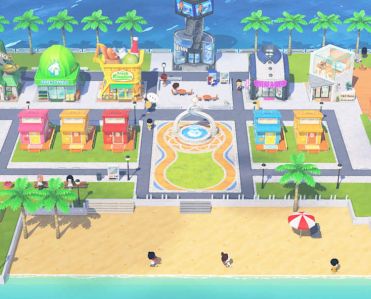
At its core, the appeal of Tomodachi Life™: Living the Dream lies in its ability to mimic real-life interactions, moments of whimsy, and social dynamics that often surprise you. The island community is populated with characters who have distinct personalities. This dynamic ecosystem offers an experience that’s both charming and surreal, and it encourages the player to explore various scenarios through simple yet effective mechanics. Whether you choose to download it on your favorite device or install it from a trusted source, the game continues to maintain a user-friendly interface that beckons even non-gamers. The innovation behind this title is its ability to merge simulation elements with life-like spontaneity, making it ever so intriguing for both casual and dedicated players.
Interface and Control
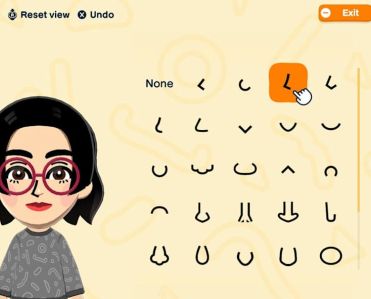
Even though Tomodachi Life™: Living the Dream steers clear of intense combat operations, it boasts an intuitive interface that ensures a seamless gaming journey. Navigating through the island is as straightforward as selecting characters and initiating conversations. The game’s control scheme is designed in a minimalist fashion, allowing anyone to install and immediately engage with the content, whether on mobile or console. A unique aesthetic, combined with vibrant graphics and fluid animations, makes it easy to appreciate every detail—from the ambient sounds that mimic a breezy coastal day to the unexpected events that occur as the characters go about their routines.
Diving Deeper: Characters and Gameplay Mechanics
The true depth of Tomodachi Life™: Living the Dream comes from the interactions between various characters on the island. As you download and play the game, you’ll find that each resident exhibits unique behaviors and reactions, driven by a predetermined system that simulates real human quirks. This characteristic not only prevents the gameplay from becoming monotonous but also makes each session unpredictable and refreshing. The community is a microcosm of diverse cultural nuances that interact in unexpectedly humorous ways.
The experience of getting to know these personalities can be likened to having a virtual neighborhood where your choices and actions dictate the unfolding narrative. The online forums are abuzz with strategies on how best to navigate the relationships and events, some even discussing the potential of integrated mods that allow players to tweak minor aspects of the gameplay experience. Although the game doesn’t feature traditional cheats, the subtle hints embedded within the environment serve as gentle guides to help you progress.
Building Unique Relationships
One of the highlights of the game is its relationship-building feature. It encourages players to explore interactions in a manner that is light-hearted yet deeply engaging. Players can orchestrate celebrations, forge bonds between characters, and even experience dramatic twists that feel both organic and predestined. The mechanisms behind these interactions are sophisticated enough to provide a sense of unpredictability—the more you invest time, the more you begin to understand the undercurrents that drive this vibrant community. This unexpected depth in a seemingly simple game emphasizes the importance of how minor decisions can lead to significant outcomes within the simulation.
Visuals, Sound, and Artistic Direction
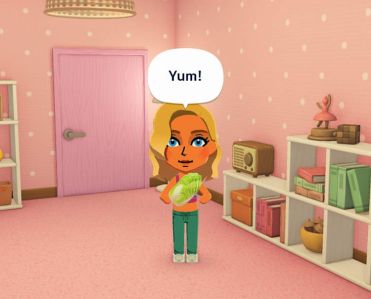
The artistic direction of Tomodachi Life™: Living the Dream is one of its most endearing qualities. With a distinct cartoon-like rendition and vibrant color palettes, the game offers a pleasing visual experience that feels intentionally designed to evoke nostalgia and cheerfulness simultaneously. The art style meshes perfectly with the overall tone of the game, blending well-rendered characters with large, expressive facial animations that help convey humor, sadness, or joy in a minimalistic yet effective manner.
The audio design complements the visuals gracefully, with light-hearted background scores and ambient effects that draw you into the environment. As an experienced gamer, I appreciate that the sound design works in harmony with the game’s various elements. It makes every interaction on the island feel natural and enhances the immersive quality of daily life simulation. Whether you’re exploring different occasions or simply chilling with the characters on a sunny day, the soundtrack provides an ideal atmosphere that deepens the overall experience.
Cultural Impact and Community Feedback
The international community that has embraced Tomodachi Life™: Living the Dream reflects the game’s broad appeal across various demographics. Many forums and online communities have buzzed with discussions regarding the whimsical yet reflective nature of the game. Gamers appreciate the non-linear, open-ended gameplay that allows one to simply download and play without the pressure of stringent objectives. Players have taken to creating mods to tweak small usability quirks or to enhance visual aspects, demonstrating a level of engagement that belies the simplicity of the title. Although the developers have maintained a tight control over the core mechanics, these user-generated mods underscore the creative potential that the game inspires, further enhancing its replay value.
Gameplay Experience: A Mix of Spontaneity and Strategy
In Tomodachi Life™: Living the Dream, the definition of strategy is reinterpreted. Rather than crafting elaborate tactical plans for conflict resolution, success is measured by how well you can manage the subtle intricacies of community life. Each decision made in the game is loaded with potential outcomes that are both surprising and endearing. As relationships blossom or unexpectedly falter, the organic narrative continuously adapts to the changes, keeping gameplay fresh and demanding attentive participation.
This spontaneous gameplay style—absent of conventional cheats—is one of the game’s strengths, as it fosters a sense of genuine investment in the virtual world. The limited yet meaningful control over the game's progression forces the player to carefully consider each action. Furthermore, the game offers moments when you can alter the course of events by simply utilizing the natural flow of interactions. This approach to gameplay, which blurs the lines between strategy and chance, is refreshing in an era where many games lean heavily on fast-paced action or detailed combat systems.
Managing Time and Resources
A distinctive element of the game is its emphasis on time management and resource allocation. While the game does not involve sophisticated economic simulations or battle mechanics, the general principle of judicious allocation remains central. As you interact with characters, coordinate social gatherings, and plan community events, you naturally hone a sense of timing. Each activity, even if it appears trivial, can lead to larger narrative arcs or humorous outcomes. There’s an inherent charm in negotiating the everyday challenges of a communal society, which encourages players to invest time thoughtfully into each character's development and interaction dynamics.
Exploration of Themes and Hidden Depths
At first glance, Tomodachi Life™: Living the Dream might appear to be a light-hearted diversion, but scratch the surface and you’ll uncover layers of thematic complexity. The game subtly addresses themes of identity, social conformity, and the unpredictability of human behavior. Its intentionally simplistic mechanics provide a canvas upon which a rich variety of social experiments can be played out. The interactions in the game are not just casual exchanges; they are laden with symbolic references to real-world social structures, relationships, and even personal growth.
For gamers who enjoy experimenting with mods, this title provides an intriguing baseline. Many in the community have explored the possibility of altering character attributes or introducing novel scenarios, which contrasts sharply with the rigid constraints typical of more linear narrative games. The system, while stable and predictable in its initial design, leaves ample room for creative expression outside the limits of the default gameplay. In essence, it reiterates the sentiment that a game does not need high-intensity combat or deep strategic mechanics to provide an enriching experience; sometimes, the raw unpredictability of social interaction is more than enough.
Community Collaboration and Shared Experiences
The shared experiences that arise from playing Tomodachi Life™: Living the Dream are perhaps its most enduring legacy. As a result of its open-ended nature, conversations around community experiences and various player anecdotes have flourished on social media and dedicated forums. Gamers have taken pride in sharing moments of unexpected laughter or heartfelt discoveries as they see their virtual citizens navigate the complexities of life. Discussions about various cheats and mods that enhance or tweak gameplay are common, with many players showcasing unique instances where their in-game decisions led to comical or touching outcomes.
This sense of community is further bolstered by the game’s compatibility with a range of devices. Whether you choose to download it on a console, play it on a mobile device, or even explore it on a PC using emulator options, the ability to install and enjoy the game without steep technical demands is continually acknowledged in reviews. The cross-platform accessibility contributes to a universal appeal that transcends typical boundaries of the gaming world.
Technical Considerations and User Accessibility
Technically speaking, Tomodachi Life™: Living the Dream offers a smooth user experience. The code behind the game is robust, ensuring that the simulation performs reliably even after long sessions. The developers have taken care to optimize the game for a diverse range of devices, which means that regardless of whether you download it on a high-end console or an older mobile device, the gameplay remains stable. This stability, coupled with its low system requirements, makes it an attractive option for gamers who might be wary of demanding titles.
For those who wish to explore the world of mods, the game’s design allows for gentle modifications. While the core mechanics remain unaltered by extraneous cheats, the community’s creative efforts have led to a library of mods that adjust cosmetic details, add new events, or enhance the user interface. This flexibility underscores the game’s commitment to openness, as it empowers players to enjoy a customized experience without jeopardizing the original vision of the game.
Ease of Installation and Accessibility
From the perspective of installation and accessibility, Tomodachi Life™: Living the Dream remains remarkably user-friendly. The process to download and install the game is straightforward, and detailed guides are readily available for those who might need extra help. Whether you are installing it on your smartphone, PC, or an unconventional device, the installation instructions provided by the developers work seamlessly across different platforms. Additionally, the game is often available through official channels that allow both free and readily accessible downloads, ensuring that technical hurdles do not stand in the way of enjoying its unique ambiance.
A Final Reflection on Tomodachi Life™: Living the Dream
Tomodachi Life™: Living the Dream is a testament to the appeal of simulation games that do not rely on traditional intense action or complex strategies. Instead, the game focuses on the subtle art of social interaction, relationship dynamics, and the everyday unpredictabilities of life. As an experienced gamer who values both innovation and heartfelt storytelling, I find that this title challenges conventional expectations, delivering an experience that is both relaxing and engaging.
The game’s successful integration of accessibility features, combined with its low technical demands and the breadth of community support for mods and cheats, sets it apart in the crowded simulation genre. Whether you choose to download it for leisurely exploration or dive into the intricate web of social dynamics on the island, you will find that every moment spent in this vibrant community holds its own rewards.
For those looking for a game that offers a burst of creativity, a break from high-octane action, or simply a diversion where you can explore the intricacies of virtual life, Tomodachi Life™: Living the Dream is a must-try. The journey from a quiet day on the island to an unexpected celebration or a heartfelt conversation with a quirky character is one that resonates with the universal appeal of everyday living, reimagined through the lens of a charming and innovative game design.
In conclusion, as an enthusiast who appreciates the artistry behind game design, I wholeheartedly recommend Tomodachi Life™: Living the Dream for anyone in search of a game that is not only easy to install and enjoy across various platforms but also rich with creative potential. Whether you are an occasional player seeking a free escape from everyday stress or a dedicated gamer intrigued by its unique take on simulation life, this title offers a delightful, refreshing experience that will linger in your memory for a long time.
How to download Tomodachi Life™: Living the Dream
You can download Tomodachi Life™: Living the Dream from various official sources. The game is available for free on several platforms, and you may choose from standard digital distribution services. If you prefer to play on a console, mobile device, or PC, the game has been adapted for a wide range of platforms, even extending to unsupported ones through emulators if needed.
To install the game, simply follow the basic steps provided on the download page: select your device, click the download button, and run the installation file. The installation process is clear and user-friendly. For PC, Mac, and Android users, the minimum system requirements are modest, ensuring that most systems can run the game smoothly. The game's community also supports a variety of mods to enhance your gameplay experience, and while traditional cheats are not applicable, numerous tweaks have been developed by fans.
If you are planning to access the game in environments where many games are typically blocked, such as in schools or workplaces, rest assured that Tomodachi Life™: Living the Dream can be played in an unblocked format, ensuring your experience is not interrupted. Enjoy this unique social simulation game without worry, knowing that compatibility across diverse platforms remains one of its many strengths.
 The Best Part of It:
- Engaging and unique social simulation experience;User-friendly interface that welcomes newcomers;Vibrant graphics and delightful artistic design;Creative freedom through mod support and customization;Cross-platform accessibility with low system requirements;Unexpected and humorous character interactions enriching gameplay
 The Worst Part of It:
- Limited traditional gameplay depth beyond social interactions;Occasional repetition in character events over extended sessions;Restricted strategic challenges that may not satisfy action-oriented gamers
Advertisements
Highly rated for
- Engaging and unique social simulation experience;User-friendly interface that welcomes newcomers;Vibrant graphics and delightful artistic design;Creative freedom through mod support and customization;Cross-platform accessibility with low system requirements;Unexpected and humorous character interactions enriching gameplay